If you’ve traveled through the Andes—or simply scrolled Instagram—you’ve seen two long‐necked camelids popping into every photo. Both are cute, both hum rather than bleat, and both have been part of Andean life for thousands of years. Yet the llama and the alpaca are not interchangeable. This guide breaks down the key differences in appearance, temperament, fiber, and history so you’ll never confuse them again.
1. Family Ties
| Species | Scientific Name | Wild Ancestor | Primary Use Today |
|---|---|---|---|
| Llama | Lama glama | Guanaco | Pack animal, meat, guard |
| Alpaca | Vicugna pacos | Vicuña | Luxury fiber, meat (limited) |
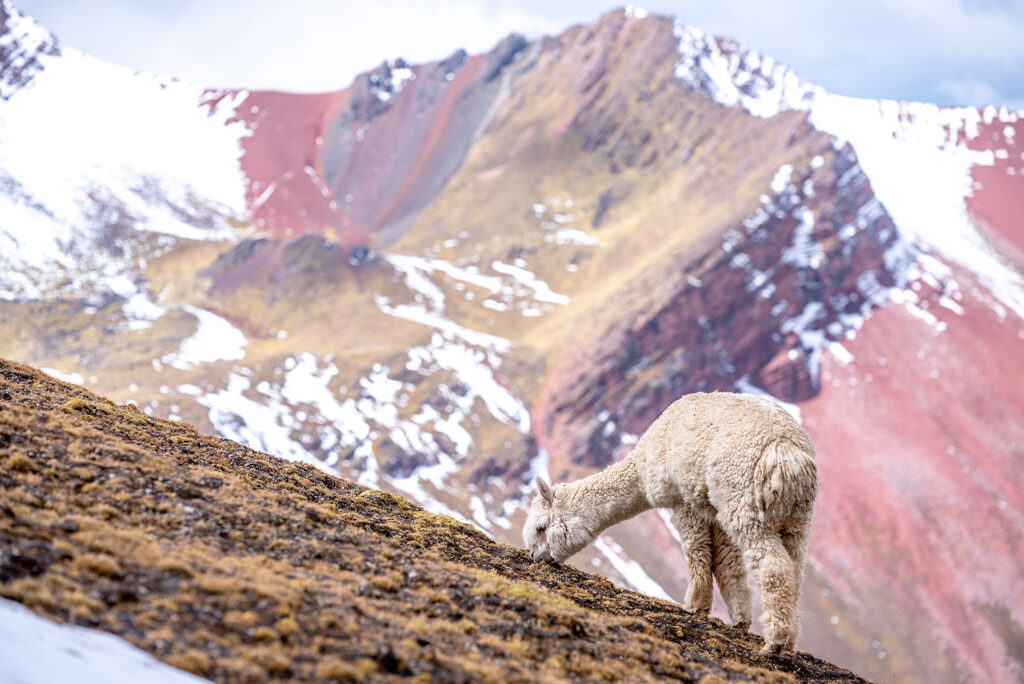
Both belong to the camelid family (along with camels, guanacos, and vicuñas). DNA studies show the llama was domesticated from the guanaco about 5,000–6,000 years ago, while the alpaca descends from the finer‐boned vicuña and was domesticated a bit later.
2. Snapshot Differences
- Size & Shape
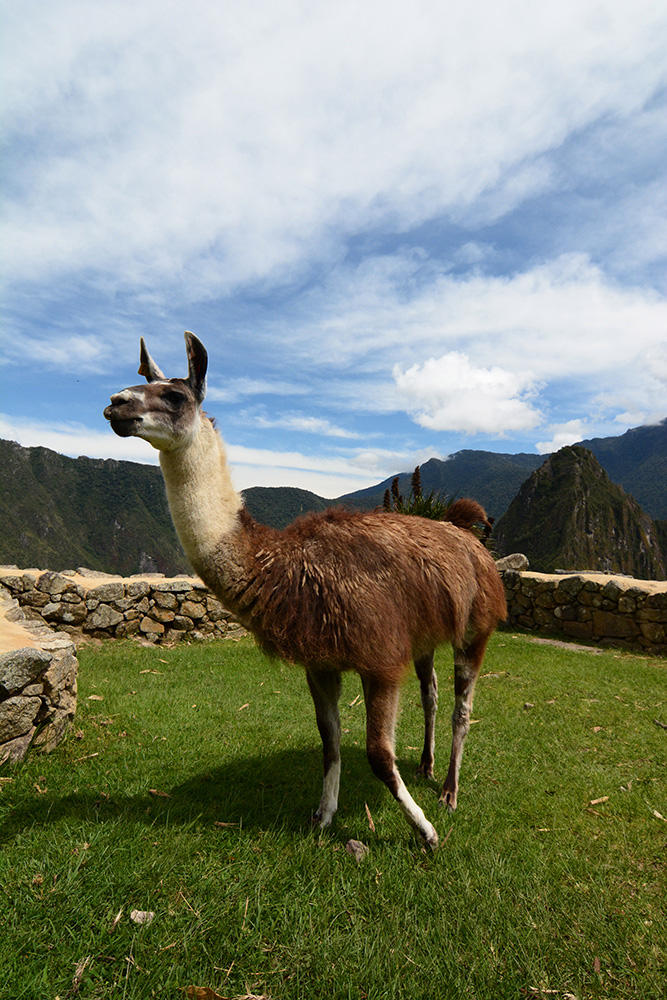
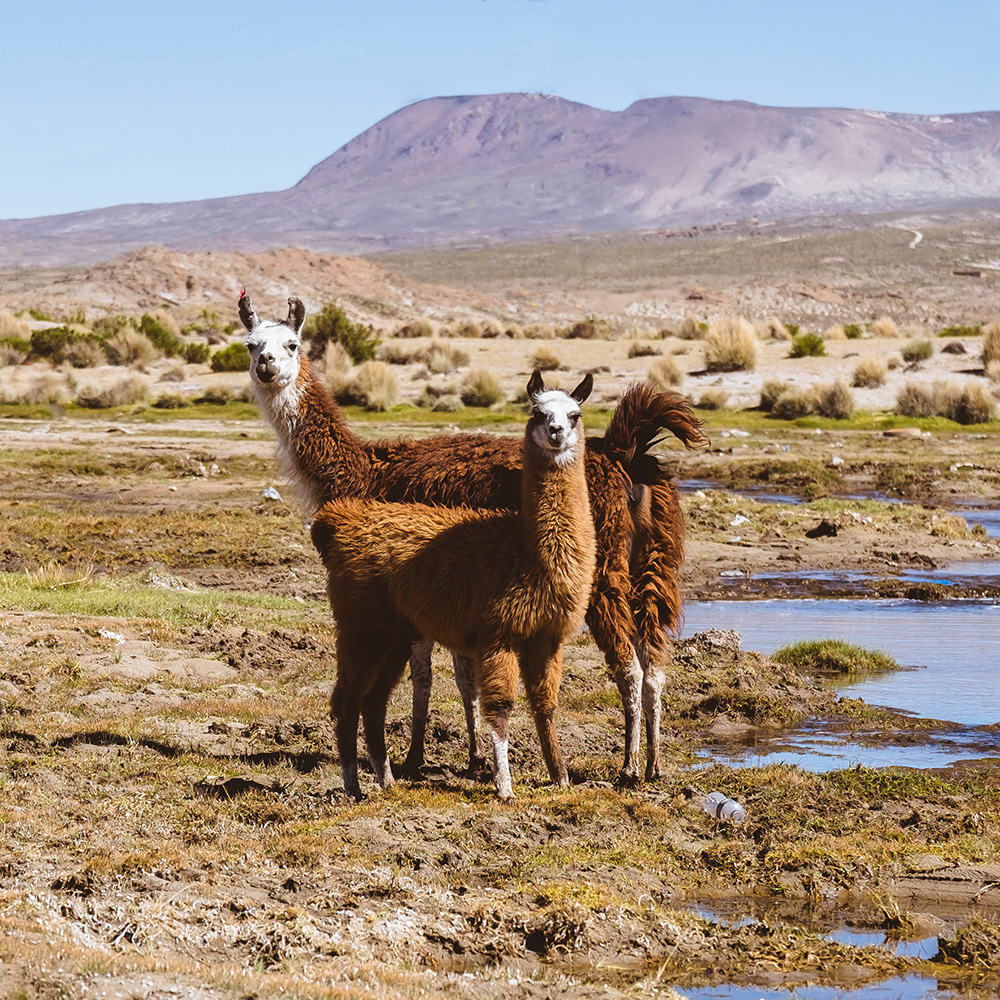
- Llama: taller (up to 1.2 m/4 ft at the shoulder), 130–200 kg (285–440 lb). Long banana‐shaped ears.
- Alpaca: shorter (≈ 1 m/3 ft at the shoulder), 55–90 kg (120–198 lb). Short, spear‐shaped ears.
- Face
- Llama: longer snout, less fleece on the face, often an alert “pointy” profile.
- Alpaca: shorter, blunt nose; full fringe (“teddy‐bear” look).
- Fiber
- Llama: dual coat—rough guard hairs outside, softer undercoat inside.
- Alpaca: single, ultra‐fine fleece (18–25 microns) prized worldwide for softness.
- Tail & Posture
- Llama: tail held low when calm, raised when alarmed.
- Alpaca: tail usually tucked closer to the body, overall more compact posture.
3. Personality & Behavior
| Trait | Llama | Alpaca |
|---|---|---|
| Temperament | Confident, independent, good guard animal | Shy, herd‐oriented, gentle |
| Guarding | Often used to protect sheep from predators | Rarely used as guards |
| Social | Comfortable alone or in small groups | Prefer large herds; stress easily when isolated |
| Sound | Deep hum, alarm call like a shrill “orgle” | Softer hum, clicking noises, less frequent alarm calls |
Both can spit when threatened, but llamas tend to deploy it more often for hierarchy disputes. Alpacas save the green missile mostly for food fights.
4. Fiber & Fashion
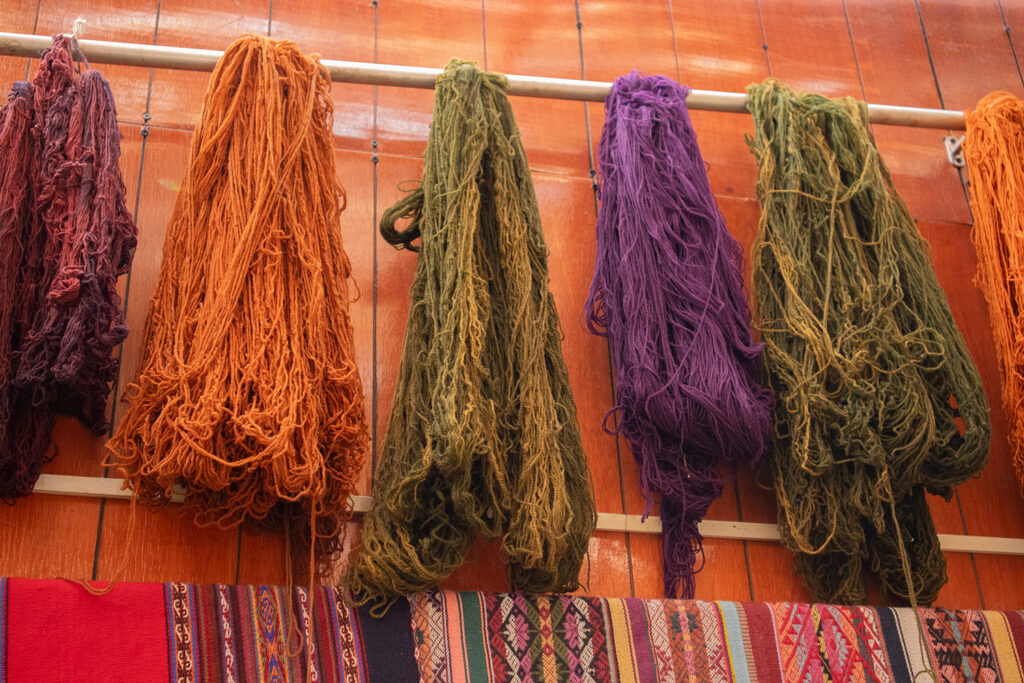
- Alpaca fleece is softer than cashmere, hypoallergenic (no lanolin), and comes in 22 natural colors—more than any other fiber animal. Two breeds exist:
- Huacaya (≈ 90 % of the population) with fluffy, crimpy fiber.
- Suri (≈ 10 %) with silky, dreadlock‐like strands.
- Llama fiber is coarser but warm and durable—great for rugs, ropes, and outer garments. The soft undercoat can be de‐haired and spun for knitwear, though it’s less common in high‐end fashion.
5. Traditional & Modern Uses
Llama
- Cargo beast: can carry 25–30 % of its body weight—ideal on narrow mountain trails.
- Meat & leather: still consumed in rural Andean communities.
- Guard animal: one llama can protect an entire flock of sheep.
Alpaca
- Luxury fiber: exported globally; Peru alone produces ~80 % of the world’s alpaca fleece.
- Community income: small Andean families live off annual shearings.
- Tourism icon: selfies and souvenir knits boost local economies.
6. How to Tell Them Apart in the Field
- Spot the ears—banana vs. spear.
- Size check—if it looks like it could give you a shoulder ride, it’s a llama.
- Face fringe—shaggy “bangs” usually signal an alpaca.
- Job context—carrying packs = llama; chilling in a fiber herd = alpaca.
If you’re in Peru’s highlands (Cusco, Puno, Arequipa), you may see mixed herds. Guides often bring a photogenic alpaca in full textile regalia to tourist sites, while llamas graze nearby or haul gear.
7. Fun Facts
- Spit Science: The green goo they spit isn’t saliva; it’s partially digested stomach contents.
- Altitude Pros: Both thrive above 3 000 m (10 000 ft) thanks to blood rich in oxygen‐binding hemoglobin.
- Eco Hoof: Padded feet mean less erosion compared to hard‐hoofed livestock.
- Macho Camélido: Male llamas and alpacas perform a weird mating “orgle”—a loud guttural gurgle used only during breeding.
Key Takeaway
Llamas = big, strong, pack & guard animals with coarse coats.
Alpacas = smaller, timid, fiber superstars with baby-soft fleece.
Now that you can tell the difference at first glance, you’ll appreciate every Andean scene a little more—whether you’re trekking the Salkantay Trail or shopping for a scarf in Arequipa.
Ready to meet them in their natural habitat? Majestic Andes builds custom itineraries that include responsible farm visits, hands-on fiber workshops, and guided high-altitude treks—all the better to spot llamas and alpacas in the wild. ✨????????
Related reading
7 Reasons Why Peru is the Best Destination for Adventure Lovers