Peru’s cuisine isn’t just delicious—it’s globally decorated, incredibly diverse, and deeply rooted in living traditions. If you’ve ever wondered why Peruvian food is the best, the answer blends geography, history, and innovation into one unforgettable bite. From Pacific-fresh ceviche to high-Andean potatoes and Amazonian fruits, Peru plates a whole continent’s worth of flavors in a single country. And it keeps winning for it.
1) Awards don’t lie: Peru keeps topping global rankings
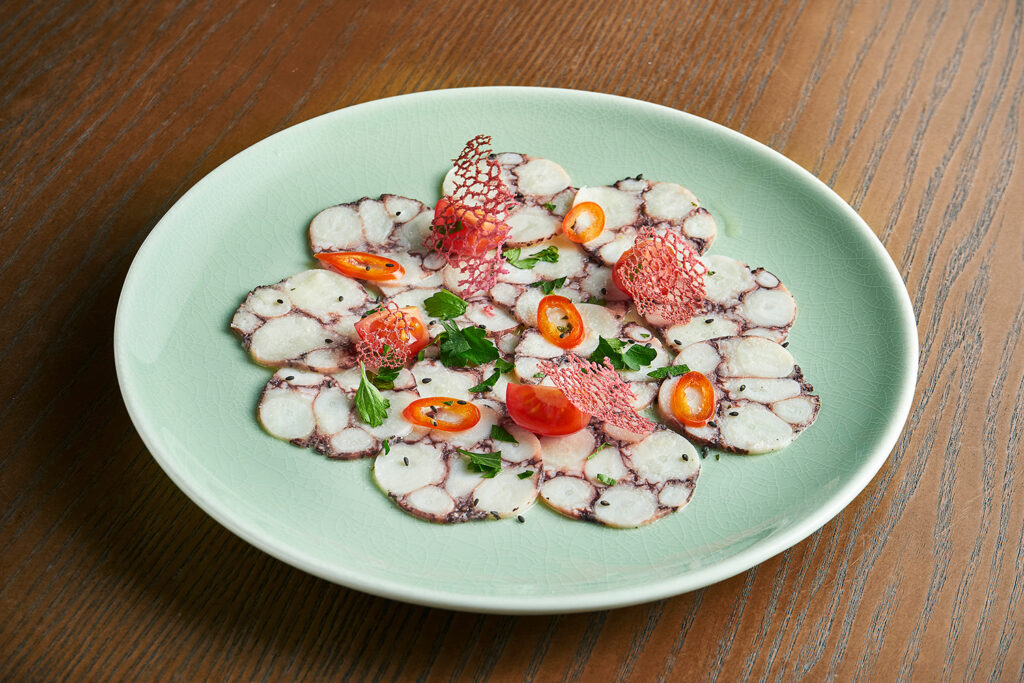
Year after year, Peru is recognized as a culinary powerhouse. In 2024, the World Travel Awards again named Peru the World’s Leading Culinary Destination, an accolade the country has garnered repeatedly over the last decade.
And in 2025, Lima’s Maido reached No. 1 on The World’s 50 Best Restaurants, highlighting how Peruvian (and Nikkei) creativity leads the world stage.
Internal reads: Explore why Lima truly is a food capital.
2) Three regions, endless ingredients
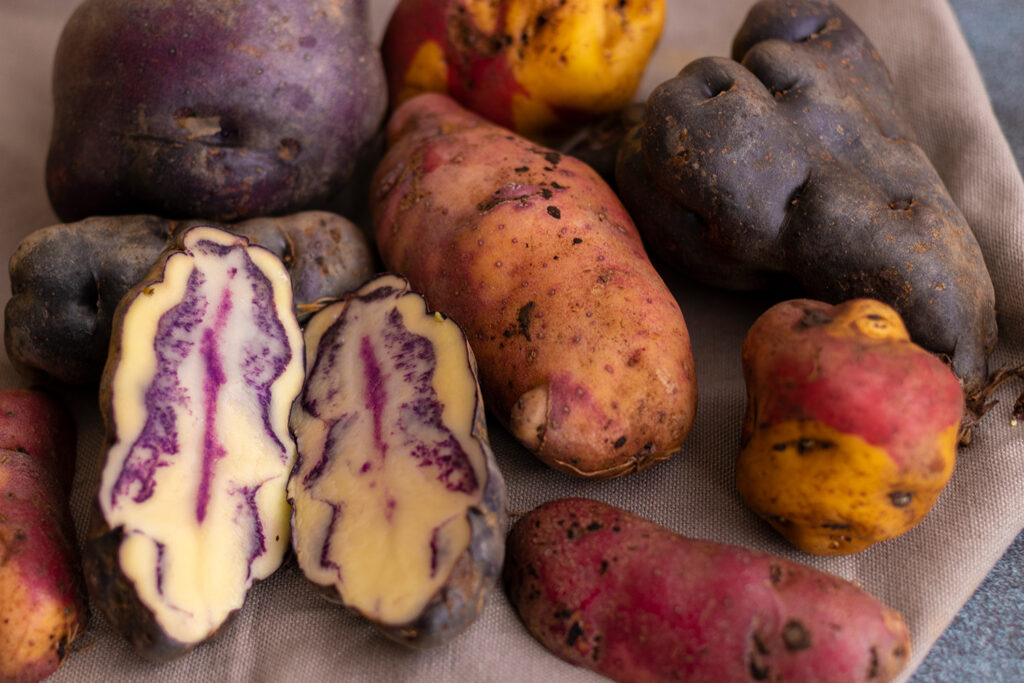
Ask any Peruvian cook and they’ll tell you: biodiversity is the secret. The coast, Andes, and Amazon each supply unique ingredients—Pacific seafood and limes on the coast; high-altitude potatoes, quinoa, and corn in the Andes; and Amazonian fruits like camu camu in the rainforest. Peru and its Andean neighbors preserve 4,000+ native potato varieties, a staggering reservoir of flavor, texture, and color that feeds both daily life and fine dining.
Internal reads: See our essential Peruvian dishes to try on your trip.
3) A living fusion: Inca roots meet global influences
Peruvian cuisine is a conversation across centuries. Indigenous techniques and crops form the base; Spanish, African, Chinese, Japanese (Nikkei), and Italian influences add layers. This is how lomo saltado (stir-fried beef with soy) or tiradito (sashimi-like sliced fish) became national favorites, while ceviche stayed proudly Peruvian. For a deeper dive into Nikkei’s rise—from immigrant kitchens to world fame—see these primers.
Try it yourself: Join a hands-on cooking class in one of our culture-rich itineraries.
4) Icons that tell a story on every plate
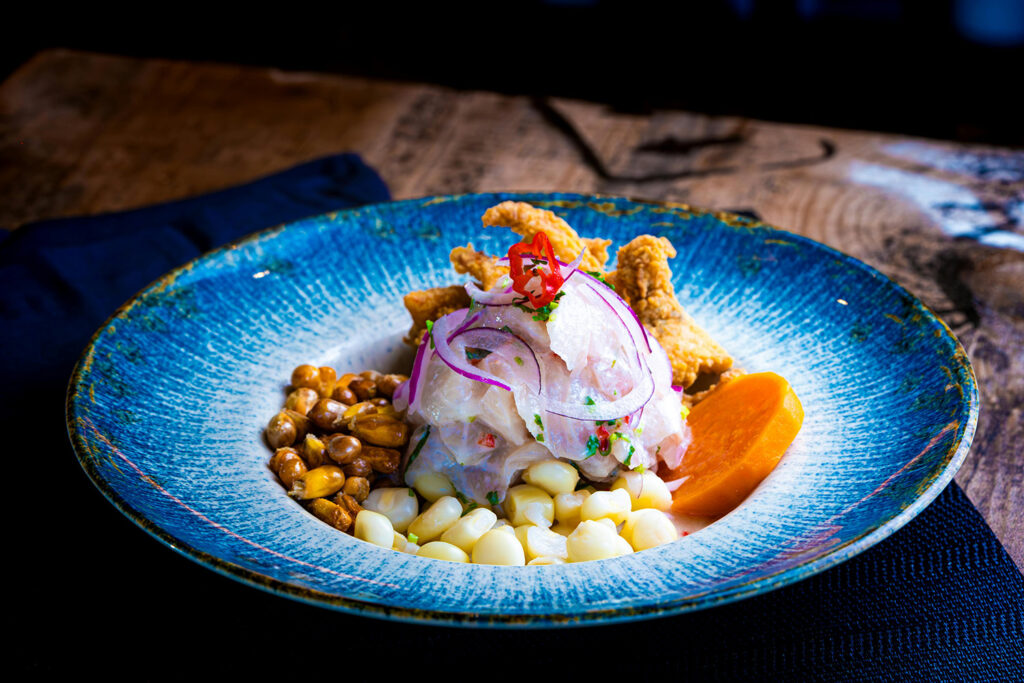
Ceviche: Fresh fish “cooked” with citrus and ají peppers; protected as part of Peru’s cultural heritage and recognized by UNESCO on the Intangible Heritage list (2023).
Aji de gallina: A creamy, mildly spicy chicken stew built on ají amarillo.
Pachamanca: Meats and tubers slow-cooked under hot stones—an ancient Andean technique.
Anticuchos: Marinated, grilled skewers that showcase street-food soul.
Plan your tastings: Start with our Lima foodie guide or build a custom route around markets and huariques.
5) Innovation with roots (and respect)
Peru’s best chefs don’t just chase novelty—they map ecosystems, celebrate small producers, and put biodiversity on the menu. Lima’s top tables have turned sourcing into storytelling, elevating ingredients from altiplano tubers to Amazonian cacao. This ethos explains why Peru consistently places at the top of 50 Best rankings and why the country keeps its crown at global tourism awards.
Official perspective: Learn how Peru’s cultural diversity and produce wealth feed its cuisine.
6) Markets, streets, and home kitchens: where food is culture
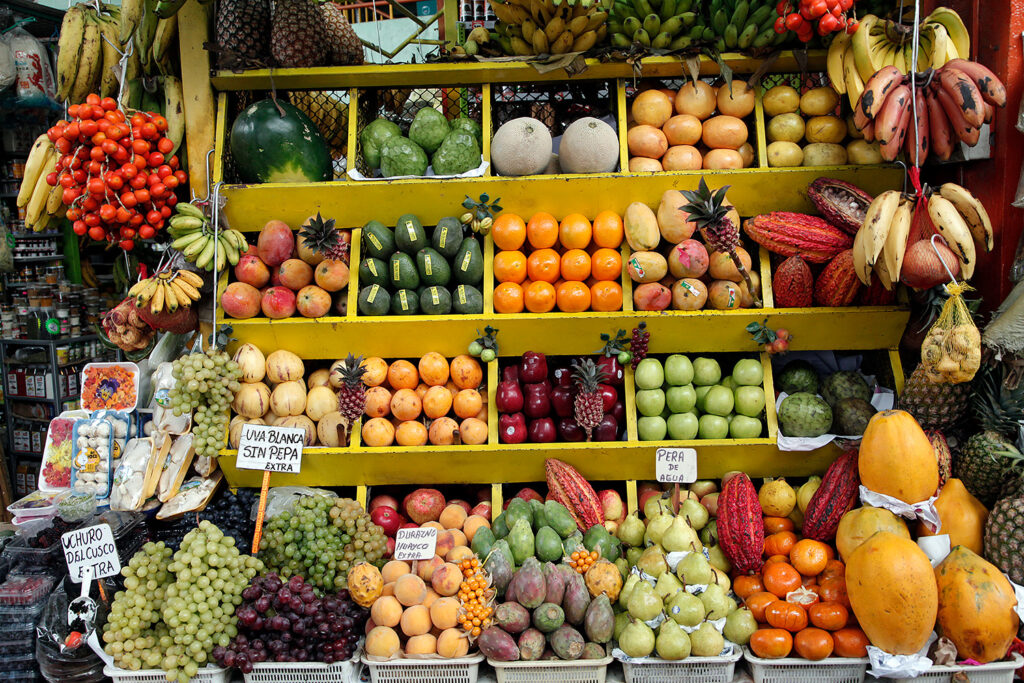
To truly grasp why Peruvian food is the best, visit a morning market: mountains of potatoes, ají peppers in every shade, herbs, seafood on ice, and women selling chicha morada by the glass. Food is ritual—shared at home, savored in markets, and perfected in restaurants. It’s also year-round celebration, from street snacks to festivals on the culinary calendar.
Internal reads: Skim our blog hub for trip-ready tips and edible inspiration.
7) How to taste the best of Peru (on one itinerary)
Coast: Ceviche for lunch (always lunch!), tiradito, and pollo a la brasa by night.
Andes: Quinoa soups, chuño, cuy (optional!), and high-altitude cheeses.
Amazon: River fish patarashca, cacao, and fruits you’ve never seen before.
Want it curated? Tell us your must-try dishes, and we’ll weave them into a route with markets, tastings, and a cooking class—your flavor map of Peru.
Key takeaways: Why Peruvian food is the best
Proven excellence: Peru leads major culinary awards.
Unmatched biodiversity: 4,000+ native potatoes—and that’s just the start.
Fusion with identity: Nikkei, Chifa, and more—innovation rooted in tradition.
From street to star: Humble roots, world-class tables.
Culture on a plate: Food as heritage, ritual, and everyday joy.
Practical planner (save this)
Best time to eat ceviche: lunchtime for the freshest catch (and locals agree).
Where to start: Lima, Peru’s culinary hub—markets, street food, and award-winning restaurants.
Build your tasting trip: share your flavor wishlist and we’ll tailor it.
Internal links (Majestic Andes)
Things to Do in Lima – A Complete Guide (great for food stops): majesticandes.com/blog/ (post feed).
The Best Dishes to Try in Peru (editorial guide): majesticandes.com/the-best-dishes-to-try-in-peru…
Lima: The Gastronomic Capital of South America (destination page): majesticandes.com/destinations/lima/
Design Your Perfect Culinary Trip (custom form): majesticandes.com/design-custom-program/
Trip with a Cooking Class (itinerary component): majesticandes.com/trip/unravel-perus-cultural…
External references
World’s Leading Culinary Destination 2024 – Peru (World Travel Awards).
Maido crowned World’s Best Restaurant 2025 (The World’s 50 Best Restaurants).
4,000+ native potato varieties (International Potato Center, CIP).